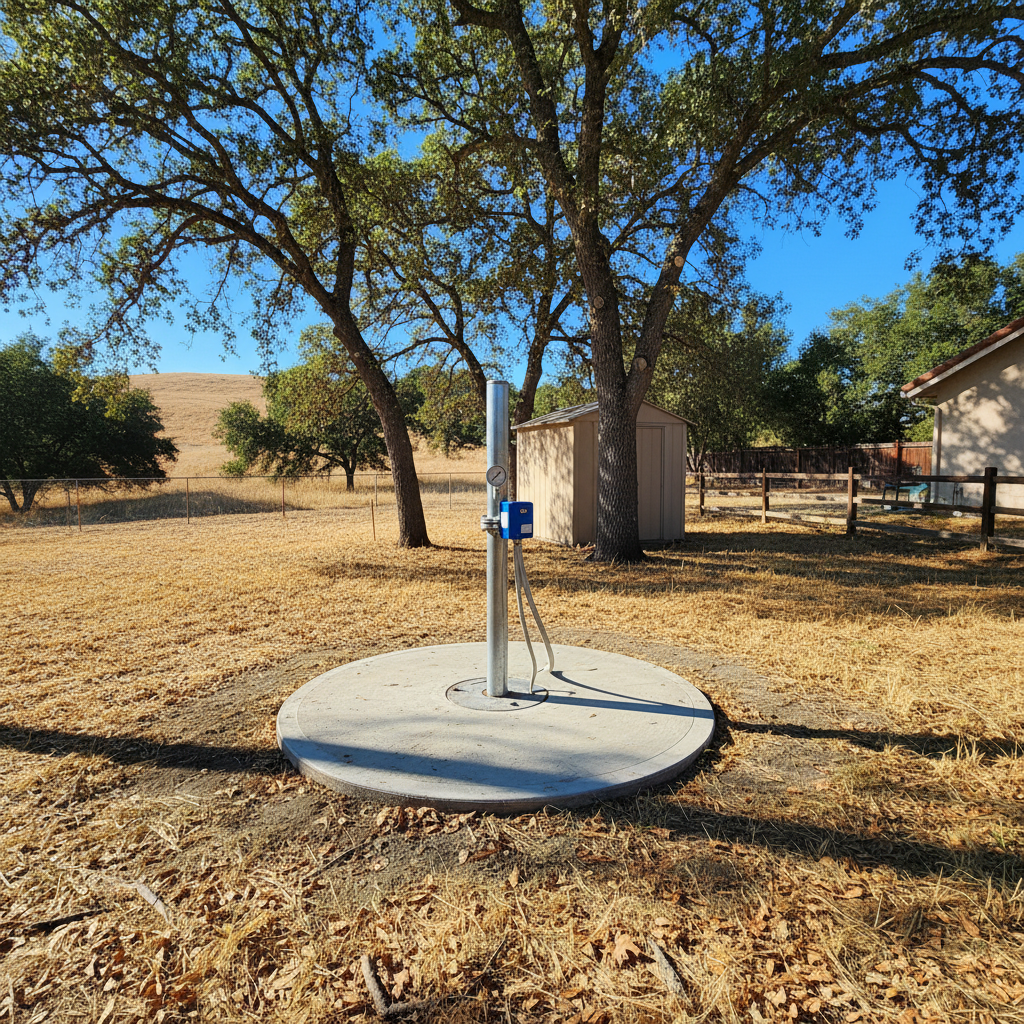
You've got a well, and that means you've got a pretty good handle on your own water supply. But even the best wells need a little TLC, and sometimes, a repair. The big question I get asked a lot is, 'When's the best time to get this done?' It's not just about when you notice a problem; our Fair Oaks weather plays a huge role in well repair work.
The Best (and Worst) Times for Well Repairs
Look, if your well goes out, you need it fixed yesterday. I get that. But for non-emergency repairs, or if you're planning ahead, timing really matters. Here in Fair Oaks, we've got pretty distinct seasons, and each one brings its own challenges and opportunities for well work.
Dry Season: Late Spring through Early Fall
This is usually the sweet spot for a lot of well work. Think May through October. Why? Less rain means the ground is firmer. When we're bringing out heavy drilling rigs or even just a service truck, stable ground is a huge plus. It's safer for my crew, and it means less mess for your yard. Plus, you're probably using more water for irrigation during these months, so any issues with your pump or water pressure are going to be really obvious. Getting them fixed when you're relying on your well the most just makes sense.
The downside? Everyone else is thinking the same thing. Our schedule can get pretty packed, especially when it's hot and people are running their AC and sprinklers non-stop. If you've got a known issue, like a well that's slowly losing pressure, trying to get it looked at before peak summer hits can save you a longer wait time.
Wet Season: Late Fall through Early Spring
This is where things get tricky. November through April, we often see a good amount of rain. While our soil here, especially around the older parts of Fair Oaks with those beautiful mature oaks, tends to drain reasonably well, prolonged wet periods can turn your yard into a muddy mess. Heavy equipment can sink, create ruts, and just make the job harder and slower. It's not impossible, but it's definitely not ideal.
However, there's a silver lining. Water levels in the aquifer are usually higher during the wet season. If we're doing something like a well deepening or a new well installation, it can sometimes give us a better picture of the water table. But for most repairs, you're just dealing with mud and potential delays. If you can, schedule non-urgent work outside of the heaviest rain months.
Weather Conditions That Affect Our Work
Beyond just wet or dry, specific weather can really impact what we do:
- Heavy Rain: This is the big one. It makes the ground soft, reduces visibility, and can make working with electrical components risky. We'll always prioritize safety, so if it's pouring, we might have to reschedule.
- Extreme Heat: Working in 100+ degree heat, especially with heavy machinery and digging, is tough on the crew and the equipment. We plan for it, but it can slow things down.
- Freezing Temperatures: While less common for sustained periods in Fair Oaks, a hard freeze can cause issues with pipes and equipment. If we're doing any work that exposes your well to the elements, we'll need to take extra precautions.
Ultimately, we're going to get the job done, but understanding these factors helps you know why a repair might take a little longer or why we suggest a certain day.
Protecting Your Well Investment Year-Round
You've put good money into your well, so let's keep it running strong. Here's what I tell folks:
- Regular Check-ups: Just like your car, your well benefits from routine inspections. I recommend getting your well system checked out every 3-5 years by a professional. We can catch small issues before they become big, expensive problems.
- Listen to Your Well: You know your system best. Any strange noises from the pump, a sudden drop in pressure, or cloudy water? Don't ignore it. Call us at Aim High Well Drilling. Early detection saves you money.
- Keep the Area Clear: Make sure the area around your wellhead is accessible. Don't plant dense shrubs right up against it, and keep it clear of debris. We need room to work if we have to get in there.
- Watch Your Water Use: Especially during those long, hot Fair Oaks summers, be mindful of how much water you're using. Overworking your pump can shorten its lifespan. Consider smart irrigation systems if you haven't already.
- Winterizing (If Needed): While Fair Oaks doesn't get harsh winters, if you have any exposed pipes or components that might be vulnerable to a rare hard freeze, make sure they're insulated or drained.
Taking a proactive approach and understanding how our local climate impacts your well system can make a huge difference. It's about being smart, not just reacting when something breaks. If you've got questions about your well or need to schedule a repair, give us a call. We're here to help keep your water flowing.