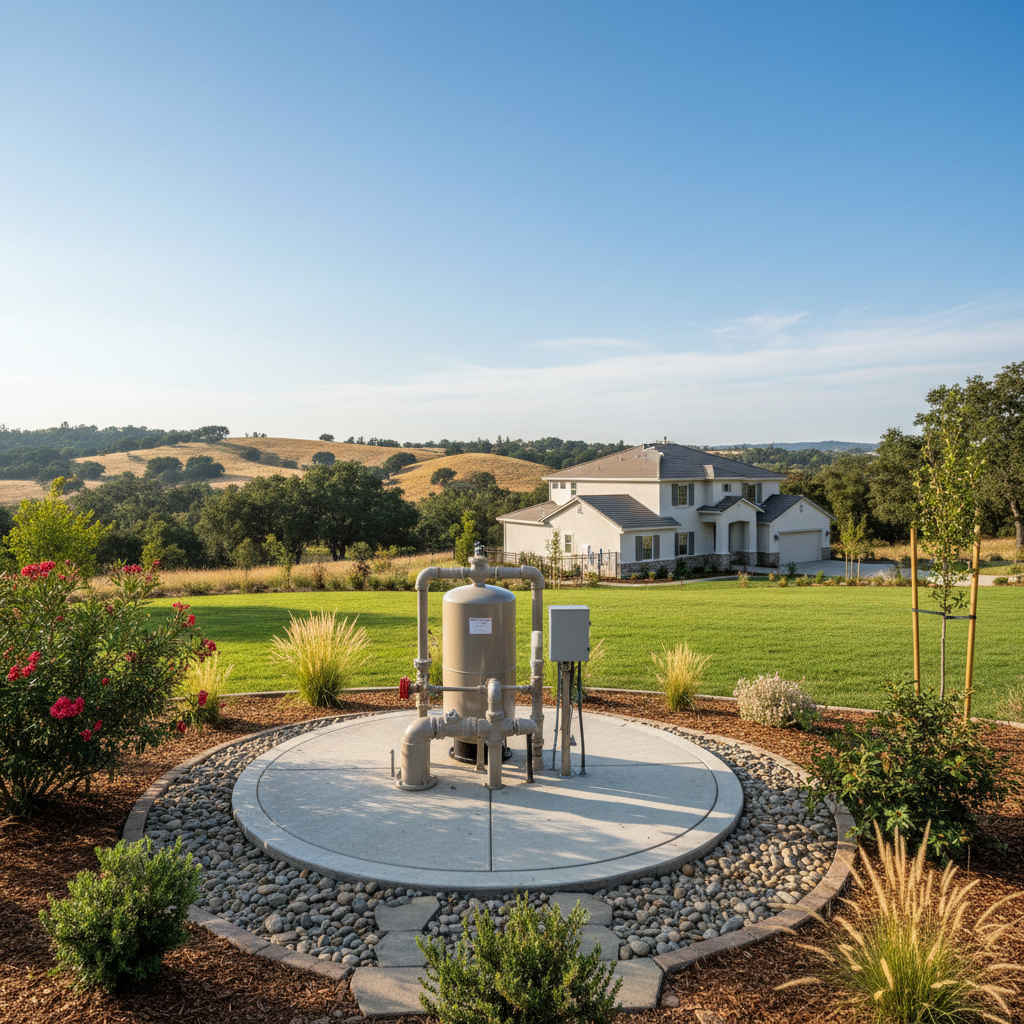
Alright, let's talk about your well pump. It's probably one of those things you don't think about much until it stops working, right? But just like your car or your AC unit, a little bit of attention goes a long way in keeping that pump humming and your water flowing without a hitch. As a local guy who's been crawling around under houses and digging in yards all over Fair Oaks for years, I've seen what works and what doesn't.
Extend Your Well Pump's Lifespan
You want your pump to last as long as possible, obviously. Nobody wants to replace a well pump sooner than they have to. Here's how you can help it out:
- Keep it Clean and Dry: This might sound basic, but it's crucial. If your pump is above ground, make sure its housing is sealed up tight. You don't want critters, dirt, or especially water getting into the electrical components. For submersible pumps, this isn't as much of an issue, but the control box still needs protection.
- Proper Sizing Matters: This is something that happens during installation, but if you're ever replacing a pump, make sure it's sized correctly for your well and your household's needs. An undersized pump will run constantly and burn out fast. An oversized one might short-cycle, which is also hard on it. We always make sure to get this right at Aim High Well Drilling.
- Protect from Power Surges: Fair Oaks can get some pretty gnarly thunderstorms, especially during the spring and fall. A good surge protector for your pump's control box can save it from frying during a power spike. It's a small investment that can prevent a big repair bill.
- Maintain Your Water Usage: Try not to run your well dry. If you're doing a lot of irrigation, especially during our hot, dry summers, be mindful of your well's recovery rate. Pumping air instead of water is a quick way to damage your pump.
- Avoid Sediment Buildup: Over time, sediment can build up in your well and get pulled into the pump, wearing down its components. If your water starts looking cloudy or gritty, that's a red flag.
What Regular Maintenance Looks Like
This isn't rocket science, but it does take a little consistency. You can do some of this yourself, and some of it you'll want a pro for.
- Listen to Your Pump: Seriously, just listen. Does it sound different? Is it louder? Is it cycling on and off more frequently than usual? Your pump has a rhythm, and any change can indicate a problem.
- Check Your Pressure Tank: This is a big one. Your pressure tank works with your pump to maintain water pressure and prevent the pump from constantly turning on and off. The air pressure in the tank needs to be checked annually. If it's too low, your pump will short-cycle, wearing it out prematurely.
- Inspect for Leaks: Look around the pump, the pressure tank, and any exposed piping for drips or wet spots. Even small leaks can indicate a problem with seals or connections, and they waste water.
- Monitor Water Quality: If you notice changes in your water's taste, smell, or clarity, it could be a sign of issues within the well itself, which can impact the pump.
Warning Signs of Trouble
Don't ignore these. If you spot any of these, it's time to pay attention.
- No Water or Low Water Pressure: This is the most obvious one. If you turn on the faucet and nothing comes out, or it's just a trickle, your pump is likely the culprit.
- Constant Cycling: If your pump turns on and off every few minutes, even when no water is being used, that's a classic sign of a problem, often with the pressure tank or a leak somewhere.
- Strange Noises: Grinding, banging, or excessive humming coming from the pump or pressure tank area are never good.
- Cloudy or Sandy Water: This can indicate your pump is pulling in sediment, which will damage it over time. This is especially common in areas of Fair Oaks with older, shallower wells where the water table can fluctuate.
- High Electric Bills: An inefficient or struggling pump will draw more power, leading to a noticeable spike in your electricity costs.
When to Call a Professional
Look, some things you can handle, but when it comes to your well pump, there are definitely times you need to pick up the phone. Don't try to be a hero and mess with high voltage electricity or heavy equipment if you're not trained. You could hurt yourself or make the problem way worse.
You should call us at Aim High Well Drilling (or another reputable local well company) if:
- You have no water or very low pressure and you've checked the obvious things like circuit breakers.
- Your pump is constantly cycling.
- You hear any new, alarming noises.
- You suspect there's a problem with the submersible pump itself (which is deep in the well).
- You've got discolored or gritty water that doesn't clear up.
- You need your pressure tank air charge checked or recharged.
- You're just not sure what's going on.
It's always better to catch a small problem early than to wait until your pump completely dies. A little preventative care and knowing when to call in the cavalry can save you a lot of money and hassle in the long run.