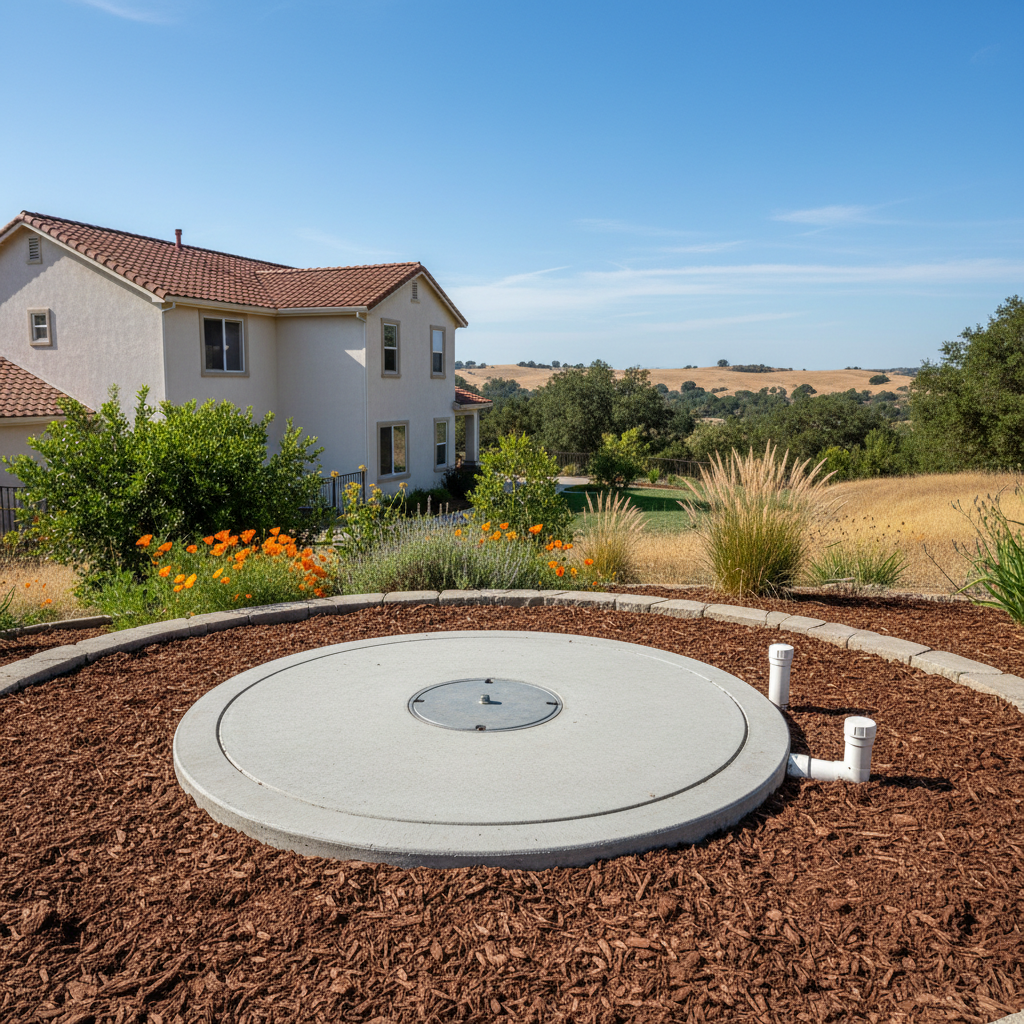
So, you've just had a brand-new well installed. Congratulations! That's a big step towards water independence, especially here in Fair Oaks where folks are looking for reliable water sources. But getting the well in the ground is just the first part of the journey. To make sure that investment pays off for decades, you've got to take care of it. Think of it like a new car; you wouldn't just drive it off the lot and never change the oil, right? Your well needs some love too, and it's not as complicated as you might imagine.
Extending Your Well's Lifespan: It's All About Smart Habits
The biggest thing you can do to extend the life of your well system starts with how you use it. Overworking your pump is a common issue I see. If your pump is constantly cycling on and off, or running for really long stretches, it's going to wear out faster. This can happen if your pressure tank isn't sized correctly or if you have a leak somewhere in your system. I always tell my customers, pay attention to your water usage. Don't let a leaky toilet or a constantly running irrigation system drain your well and your wallet.
Another big one, especially in our area, is protecting your well from surface contaminants. We've got a lot of older homes in Fair Oaks, some with septic systems, and runoff from gardens or driveways can be an issue. Make sure the area around your wellhead is clear of debris, chemicals, and anything that could seep into the ground. The well casing should extend at least 12-18 inches above ground level to prevent surface water from flowing directly into your well. This is crucial for maintaining water quality and preventing issues that could lead to costly repairs down the line.
Regular Maintenance: Your Well's Best Friend
You don't need to be a well expert to do some basic maintenance. Here's what I recommend for homeowners:
- Annual Water Testing: This is non-negotiable. Even if your water looks and tastes fine, contaminants can be invisible. In California, especially with our drought cycles and varied soil types, groundwater can change. Test for bacteria (like coliform), nitrates, and general mineral content. If you're near agricultural areas or old industrial sites, you might want to test for pesticides or VOCs too.
- Visual Inspection: Take a walk around your wellhead a few times a year. Look for cracks in the well cap, signs of corrosion, or any damage to the casing. Make sure the area is free of standing water. If you've got kids or pets, ensure the well cap is securely fastened to prevent anything from falling in.
- Check Your Pressure Tank: This is a big one. Your pressure tank maintains water pressure in your home and prevents your pump from short-cycling. It has an air bladder inside that can lose pressure over time. You can check the air pressure (when the pump is off and the system is drained) with a tire gauge. It should typically be 2 PSI below your pump's cut-in pressure. If it's low, you can add air with a bicycle pump or air compressor.
- Listen to Your Pump: Get to know the normal sound of your well pump running. If it starts sounding different – grinding, rattling, or running louder than usual – that's a sign something might be off.
These simple checks can catch small problems before they turn into major headaches.
Warning Signs: Don't Ignore These Red Flags
Your well system will usually give you clues when something's not right. Don't wait until you have no water to call someone. Here are some common warning signs:
- Reduced Water Pressure: If your shower suddenly feels like a trickle, or your faucets are spitting air, that's a clear sign of a problem. It could be a failing pump, a clogged filter, or a drop in your well's water level.
- Cloudy, Discolored, or Smelly Water: Any change in your water's appearance or odor warrants immediate attention. This could indicate sediment issues, bacterial contamination, or even a problem with your well casing allowing surface water in.
- Pump Constantly Running (Short-Cycling): If your pump kicks on and off frequently, even when no water is being used, it's called short-cycling. This often points to a problem with your pressure tank (like a ruptured bladder) or a leak in your system. This will burn out your pump fast.
- Unusual Noises from the Pump or Tank: Grinding, humming, or banging sounds are not normal. Your pump should run smoothly.
- Higher Electricity Bills: If your pump is working harder than it should be, or running more often, you'll see it on your power bill. This is a subtle but important indicator.
When to Call a Professional: Don't DIY Everything
Look, I'm all for homeowners being handy, but some things are best left to the pros. When you see any of those warning signs, or if you're just not sure about something, that's when you call us. Trying to fix a complex well issue yourself can often lead to more damage, more expense, and potentially unsafe water.
You should definitely call Aim High Well Drilling if:
- You have no water at all.
- Your pump is running continuously without building pressure.
- You notice significant changes in water quality (color, smell, taste).
- You suspect a problem with your well casing or the well itself (not just the pump or tank).
- You need a professional well inspection, perhaps if you're buying or selling a property.
- It's been a few years since your last professional well system check-up.
Even if you're doing all the regular maintenance yourself, having a professional come out every 3-5 years for a thorough check-up can catch issues you might miss. We've got the specialized tools and experience to diagnose problems accurately and make sure your well system is operating at peak efficiency. It's about protecting your investment and ensuring you have clean, reliable water for your home for many years to come.