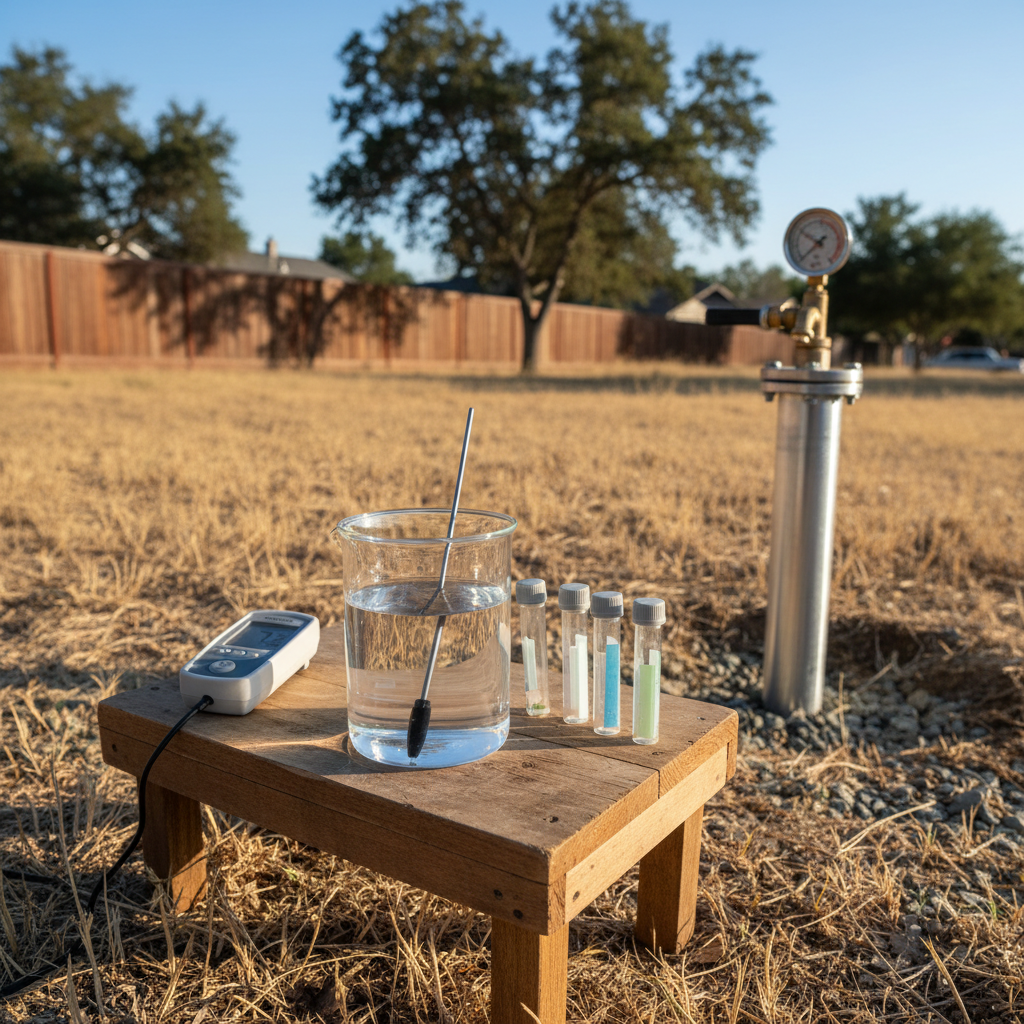
Do I really need to test my water if it looks and tastes fine?
This is probably the most common question I get, and the short answer is: absolutely, yes. Clear, good-tasting water doesn't automatically mean it's safe. Many contaminants, like lead, arsenic, or certain bacteria, are colorless, odorless, and tasteless. You won't know they're there until you get sick, or worse, until they've caused long-term health issues. Think of it like this: your car might sound fine, but you still get the oil changed and brakes checked, right? It’s preventative. Water testing is the same kind of essential maintenance for your home and your health. Especially around Fair Oaks, with our mix of older homes and newer developments, and the varied soil conditions, you just can't take chances.
How often should I test my well water versus city water?
If you're on a private well, you should be testing your water at least once a year. That's the bare minimum. I'd even recommend twice a year if you've got kids, elderly folks, or anyone with a compromised immune system living in the house. Wells are directly exposed to the environment – runoff from heavy rains, agricultural activity nearby, septic system issues, even just changes in the groundwater table can affect your water quality. For city water, like what many folks get from Sacramento Suburban Water District, the city does regular testing and publishes reports. You can usually find those online. However, that doesn't account for what happens between the main line and your tap. Old pipes in your home, especially if you're in one of the older Fair Oaks neighborhoods with original plumbing, can introduce contaminants like lead or copper. So, even with city water, if you have concerns about taste, odor, or just want peace of mind, a test every few years isn't a bad idea, especially for lead.
What are the most important things to test for in Fair Oaks water?
For well water users here in Fair Oaks, a comprehensive test should always include bacteria (like coliform and E. coli), nitrates/nitrites, pH, total dissolved solids (TDS), and common metals like lead, arsenic, and iron. Arsenic is naturally occurring in some California groundwater, so that's a big one to watch out for. Iron can cause staining and taste issues, but it's usually not a health risk. Nitrates are a concern, especially if you're near agricultural areas or have an older septic system. For city water, if you're testing, lead and copper are usually the primary concerns due to plumbing corrosion. Beyond that, if you have a specific concern – say, you live near an old industrial site or notice a strange smell – you might want to add specific tests for volatile organic compounds (VOCs) or other chemicals. Don't just guess; talk to a pro like us at Aim High Well Drilling, and we can help you figure out what tests make the most sense for your situation.
Can I do a water test myself, or do I need a professional?
You can definitely buy DIY test kits online or at home improvement stores. They're usually pretty cheap and can give you a quick snapshot for things like pH, chlorine, or hardness. But here's the deal: these kits are often not as accurate or comprehensive as laboratory testing. They're good for a very basic, preliminary check. For anything critical, especially for bacteria, lead, arsenic, or if you're relying on well water, you absolutely need a certified laboratory to do the testing. They use specialized equipment and follow strict protocols to ensure accurate results. A professional service will collect the samples correctly, ensuring no contamination, and send them to a reputable lab. It takes the guesswork out of it and gives you results you can trust.
My water test came back with issues. Now what?
Don't panic! First, understand the results. A good lab report will explain what the numbers mean and compare them to safe drinking water standards. If it's something like high hardness, that's usually just an aesthetic issue that can be fixed with a water softener. If it's bacteria, nitrates, or heavy metals, that's a health concern, and you'll need to take action quickly. The next step is usually to consult with a water treatment specialist. They can review your test results and recommend the right treatment system for your specific problem – whether it's a filtration system, UV purification for bacteria, or a reverse osmosis unit. Sometimes, it might even involve addressing the source of contamination, like fixing a faulty well cap or a leaking septic system. It's not a one-size-fits-all solution, so get expert advice.
How much does professional water testing cost?
The cost varies quite a bit depending on what you're testing for. A basic well water test for bacteria and nitrates might run you a couple of hundred bucks. A comprehensive panel that includes a wider range of metals, chemicals, and general water quality parameters could be more, sometimes several hundred dollars. It also depends on whether you have a professional collect the sample or if you do it yourself and send it to a lab. My advice? Don't skimp on this. The cost of a good water test is a tiny fraction of what you might pay in health bills or for a complex treatment system you didn't actually need because of inaccurate testing. Think of it as an investment in your family's health and your home's value.