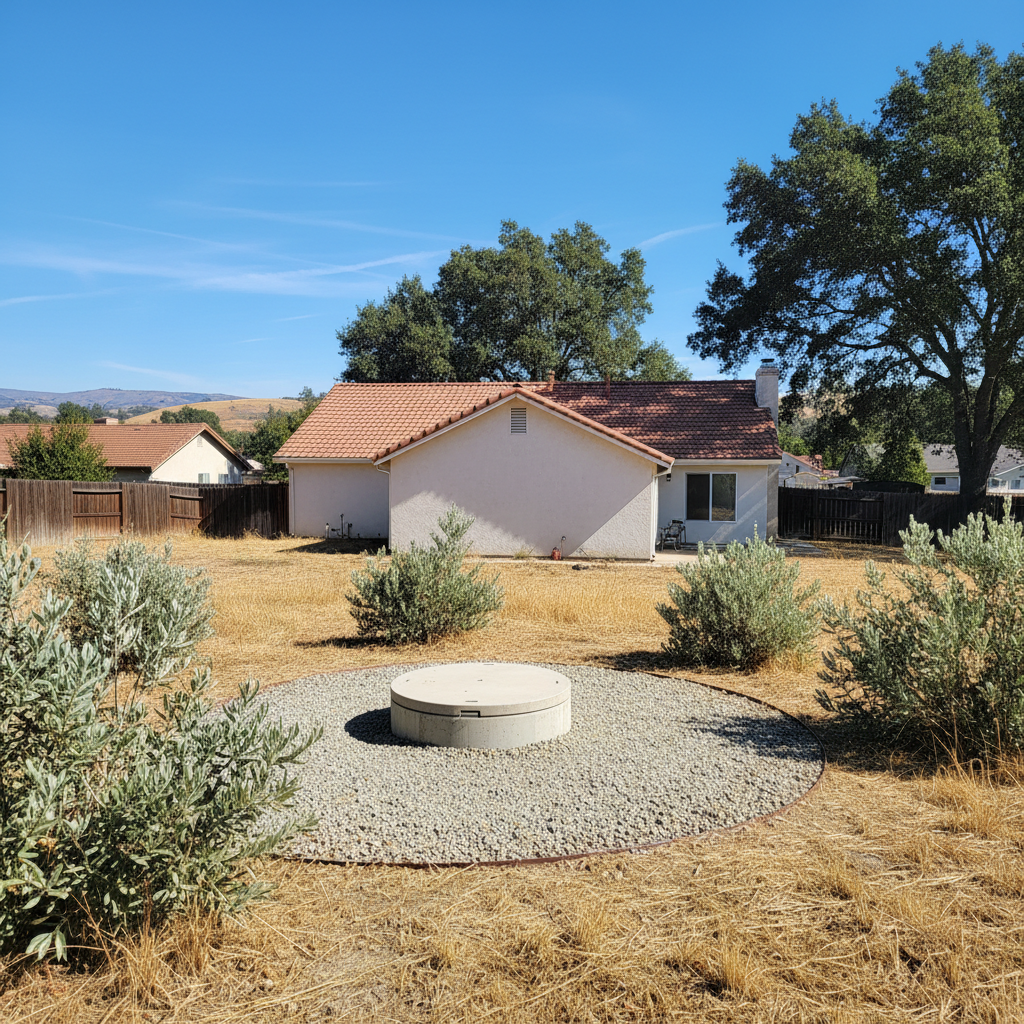
You've got an environmental drilling project on your mind, whether it's for soil testing, groundwater monitoring, or maybe even a geothermal system. That's a big deal, and it's not something you want to mess up. Over the years, I've seen Fair Oaks homeowners make some pretty common blunders that end up costing them time, money, and a whole lot of frustration. Let's talk about how to avoid those.
Mistake #1: Not Knowing Exactly What You Need Done
This sounds basic, right? But you'd be surprised. Folks call me up, saying they need 'some drilling' for 'environmental stuff.' That's like telling a mechanic you need 'car fixing.' Environmental drilling covers a huge range of activities, from a simple soil boring to a complex monitoring well installation. Each has different requirements, equipment, and costs.
Before you even pick up the phone, try to get a clear picture of your objective. Are you investigating contamination? Is it for a property transaction? Do you need to understand groundwater flow? Knowing your 'why' helps me, or any reputable driller, give you an accurate quote and plan. If you're not sure, talk to an environmental consultant first. They can help define the scope, which then makes it easier to get proper drilling bids.
Mistake #2: Hiring the Cheapest Bid Without Asking Questions
Look, I get it. Money matters. Everyone wants a good deal. But when it comes to something as specialized as environmental drilling, the cheapest bid can often be the most expensive in the long run. I've seen homeowners go with a rock-bottom price only to find out the driller wasn't properly licensed, didn't have the right insurance, or cut corners on the job.
Here's what to ask, even if the price is higher: Is your company licensed for environmental drilling in California? Do you have current liability and worker's comp insurance? Can you provide references for similar projects? What's your safety record like? What's your plan for managing drill cuttings and waste? Fair Oaks has some pretty strict rules about waste disposal, especially if you're dealing with contaminated soil. A good driller will know this and factor it into their process, not try to skirt around it.
Mistake #3: Not Understanding the Permitting Process
This is a big one, especially in our area. You can't just start drilling a hole in the ground without permission. Depending on what you're doing, you might need permits from the county, the state, or even local water districts. For instance, if you're installing a monitoring well, you're definitely going to need permits from the Sacramento County Environmental Management Department (EMD). They'll want to review your plans, make sure you're following proper well construction standards, and sometimes even observe the drilling.
Many homeowners assume the driller handles all permits. While a good drilling company, like Aim High Well Drilling, can guide you and often help with the application process, ultimately, the responsibility for securing permits usually falls on the property owner or their environmental consultant. Don't let a driller tell you permits aren't necessary if they actually are. That's a huge red flag.
Mistake #4: Ignoring Site Access and Utilities
Before any equipment rolls onto your property, you've got to think about logistics. Can a drill rig actually get to where it needs to go? These aren't small machines. They need clear access, often a wide, stable path. I've shown up to sites where the homeowner forgot about that prize-winning rose bush, or a narrow gate, or worse, a septic tank line running right under the proposed drill spot.
And speaking of lines, you absolutely, positively, must get underground utilities marked before any drilling begins. Call 811. It's free, it's the law, and it prevents you from hitting gas lines, water pipes, electrical conduits, or communication cables. Trust me, nobody wants to be the person who knocks out power to the whole block because they didn't make that call.
Mistake #5: Not Planning for Post-Drilling Site Restoration
The drilling is done, samples are taken, and the well is installed. Great! But what about the mess? Drilling can churn up a lot of soil and create a muddy area, especially in the clay-rich soils we often find around Fair Oaks. You'll have drill cuttings to deal with, and if they're contaminated, they'll need special disposal.
Talk to your driller upfront about site restoration. Will they backfill boreholes properly? Will they clean up the work area? What's the plan for any excess soil or drilling fluids? A good driller will leave your property as close to its original condition as possible, or at least have a clear plan for what's left behind. Don't assume it's all part of the package; get it in writing.
Environmental drilling is a specialized field. Doing your homework, asking the right questions, and working with experienced professionals will save you a ton of grief. Don't cut corners, and don't be afraid to demand clarity from anyone you hire.